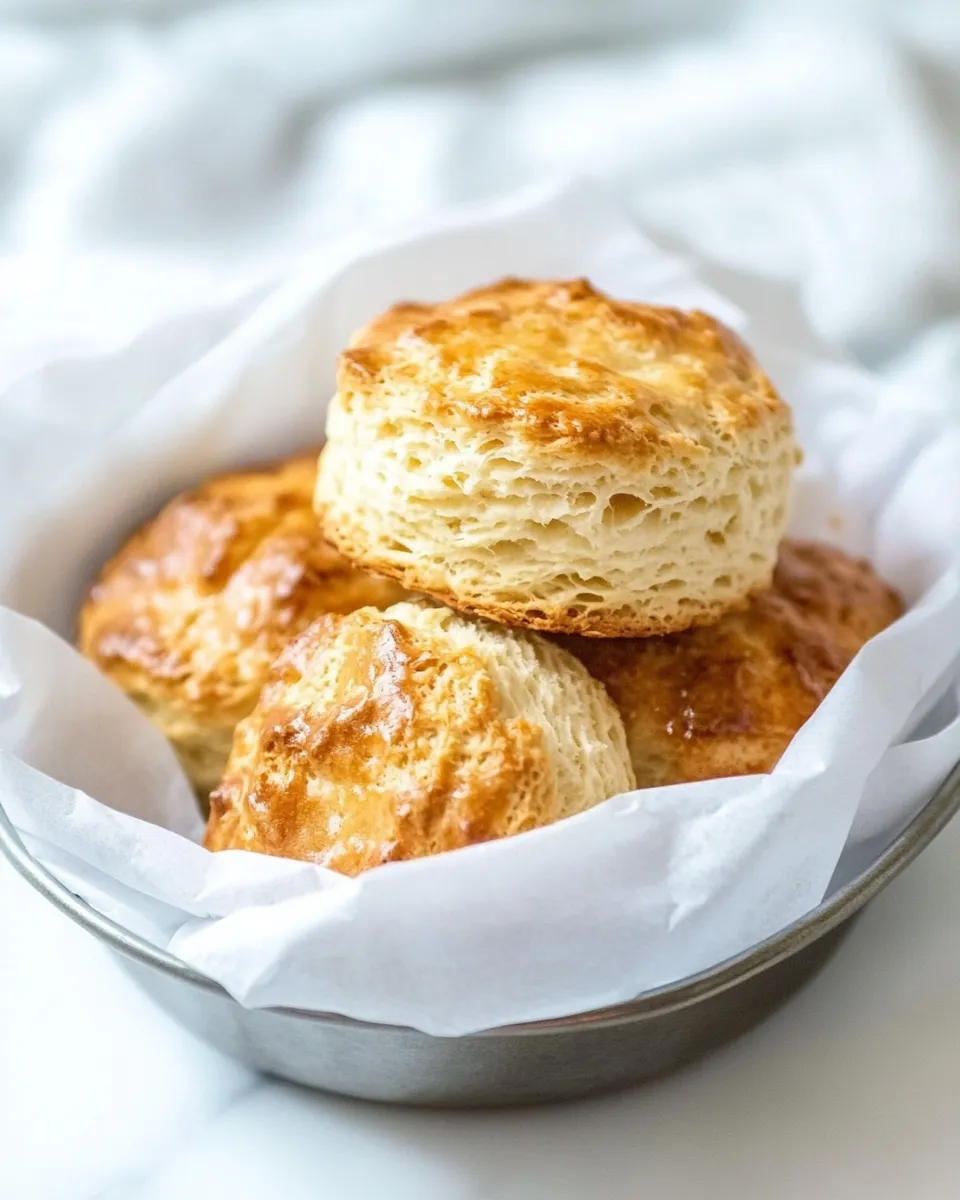
If you’ve ever had the pleasure of indulging in a freshly baked scone at a quaint English tearoom, you know there’s nothing quite as delightful. The buttery, flaky texture combined with a hint of sweetness makes Classic English Scones an irresistible treat, perfect for breakfast or afternoon tea. They are surprisingly easy to make at home, and with a few simple ingredients, you can whip up a batch that rivals your favorite bakery. Get ready to impress your friends and family with these homemade delights!
What Makes This Recipe Special
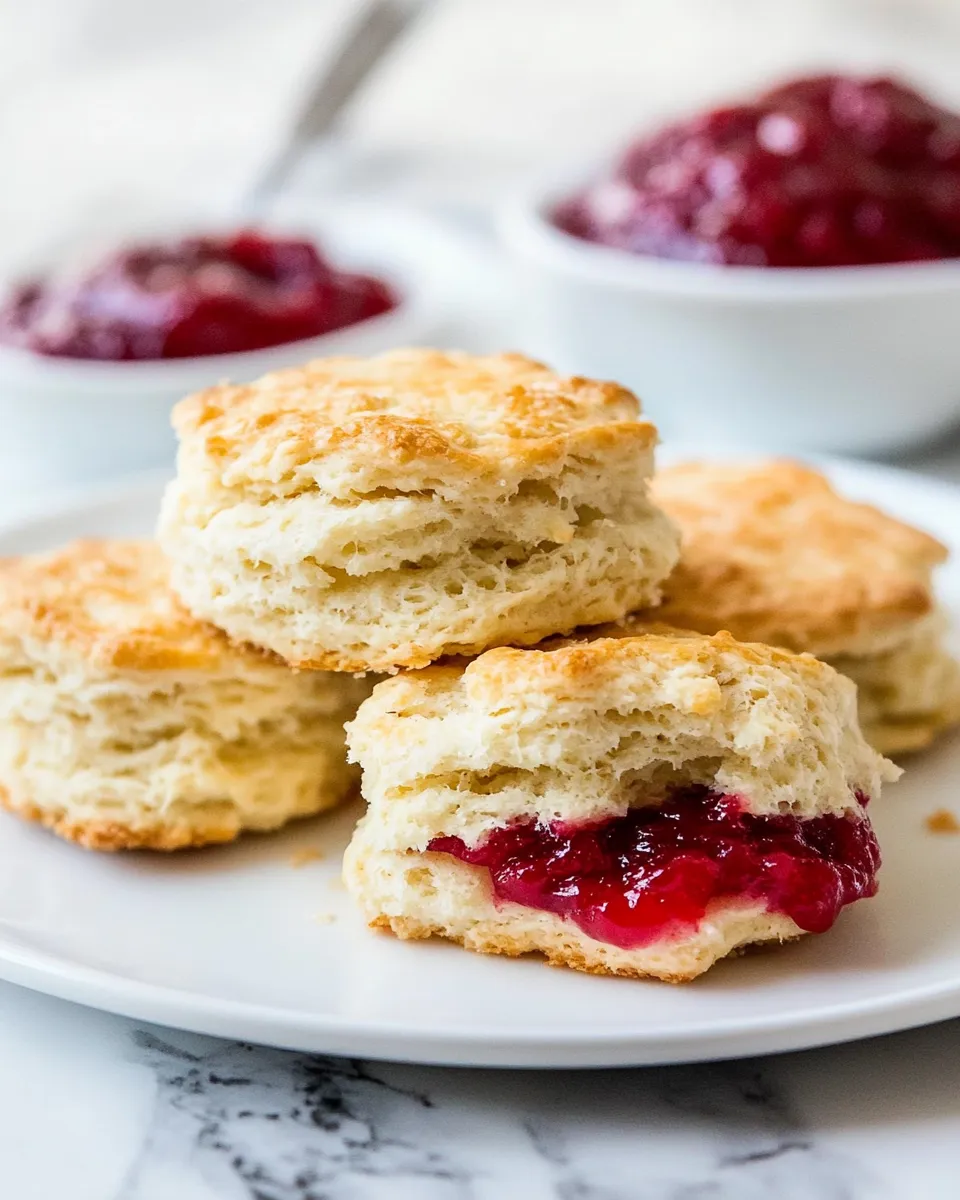
This Classic English Scones recipe stands out for its simplicity and the use of buttermilk, which adds a rich flavor and tender crumb. Unlike other scone recipes that may call for cream or milk, buttermilk provides a slight tanginess that balances the sweetness of the sugar. The combination of all-purpose flour and unsalted butter creates a scone that is both light and flaky, making it the ideal companion for clotted cream and jam. Whether enjoyed plain or with added dried fruits like cranberries or currants, these scones are sure to please.
Shopping List
- 2 3/4 cups all-purpose flour
- 1/4 cup granulated sugar
- 1 teaspoon baking powder
- 1/2 teaspoon salt
- 6 tablespoons unsalted butter, cold and cubed
- 3/4 cup buttermilk, cold
- 1 teaspoon vanilla extract
Tools of the Trade
- Mixing bowls: For combining dry and wet ingredients.
- Pastry cutter or fork: For cutting butter into the flour mixture.
- Baking sheet: To hold the scones while they bake.
- Parchment paper: To line the baking sheet and prevent sticking.
- Rolling pin: For rolling out the dough, if desired.
- Cookie cutter or glass: To cut the scones into shape.
Cooking Classic English Scones: The Process
Step 1: Preheat the Oven
Preheat your oven to 425°F (220°C) and line a baking sheet with parchment paper.
Step 2: Combine Dry Ingredients
In a large mixing bowl, whisk together the all-purpose flour, granulated sugar, baking powder, and salt until well combined.
Step 3: Cut in the Butter
Add the cold, cubed butter to the dry ingredients. Using a pastry cutter or fork, cut the butter into the flour mixture until it resembles coarse crumbs. Be careful not to overwork the mixture; you want to keep those little bits of butter intact for flaky scones.
Step 4: Add Wet Ingredients
Make a well in the center of the mixture. Pour in the cold buttermilk and vanilla extract. Stir gently with a spatula or wooden spoon until just combined. The dough will be slightly sticky; that’s perfectly okay!
Step 5: Shape the Dough
Turn the dough out onto a lightly floured surface. With floured hands, gently knead the dough a couple of times until it comes together. Pat it into a circle about 1 inch thick.
Step 6: Cut the Scones
Using a cookie cutter or a glass, cut out rounds from the dough. Place them on the prepared baking sheet, leaving space between each scone. Gather any scraps and repeat until all dough is used.
Step 7: Bake
Bake in the preheated oven for 12-15 minutes or until the scones are golden brown on top. Keep an eye on them to avoid overbaking.
Step 8: Cool and Serve
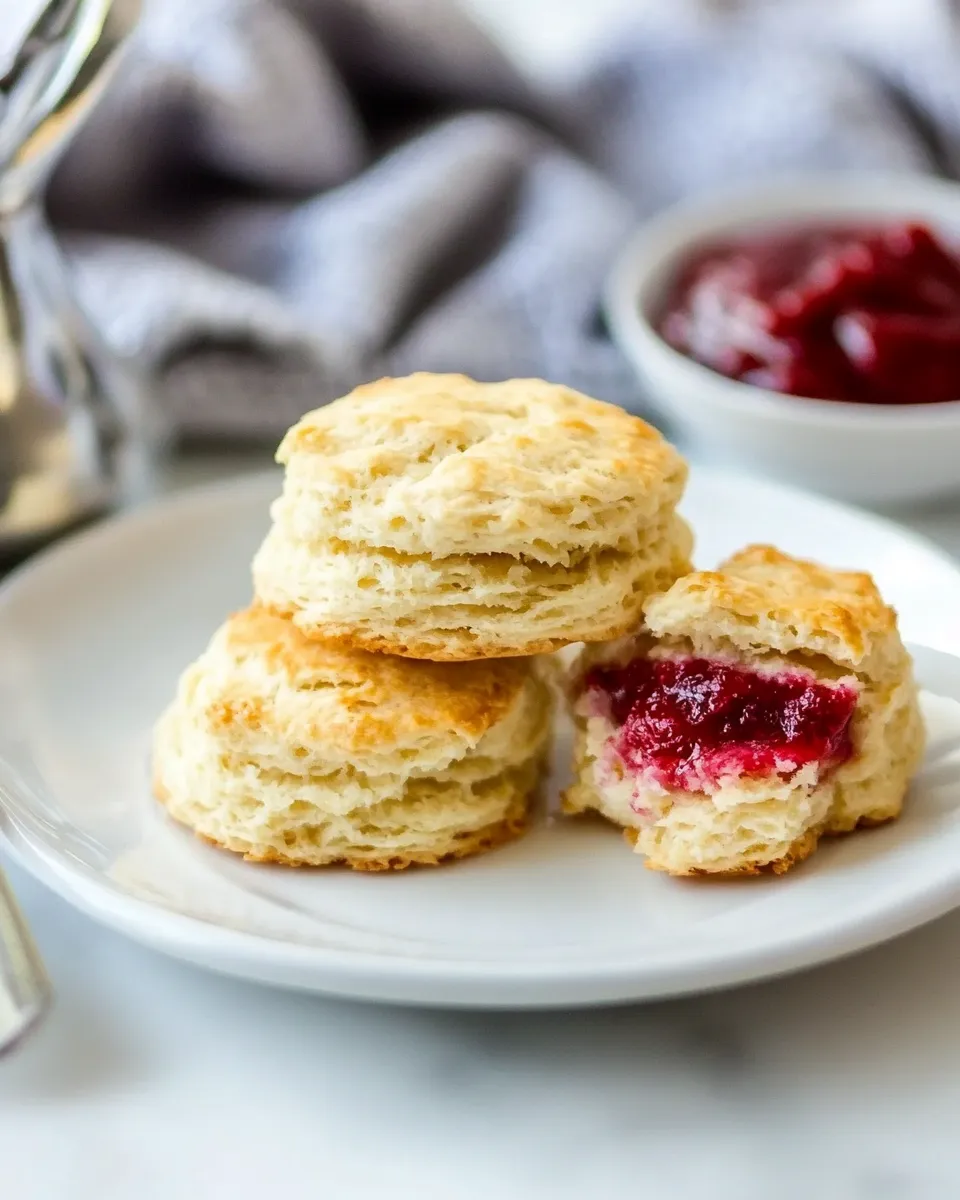
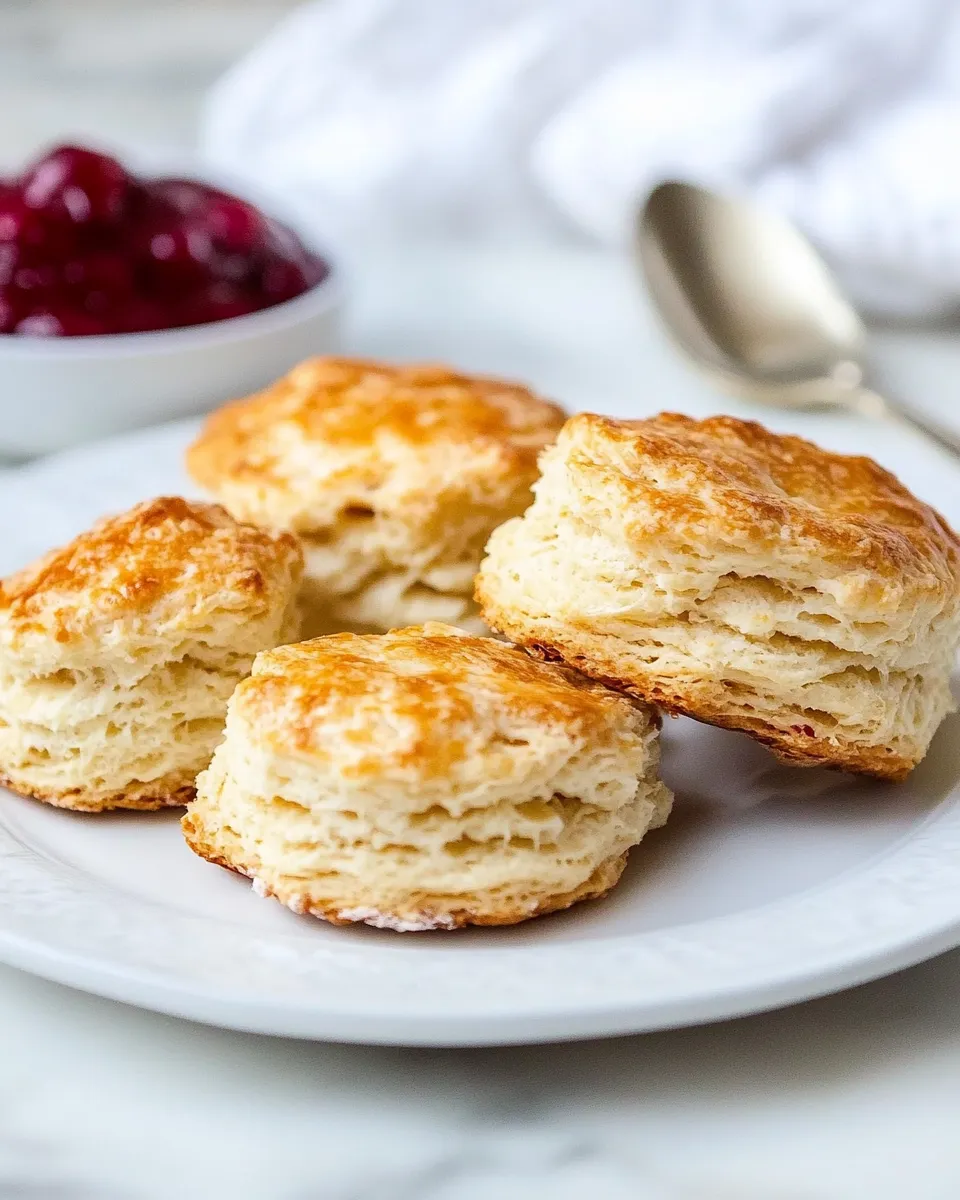
Remove the scones from the oven and allow them to cool slightly on a wire rack. Serve warm with clotted cream and your favorite jam, or simply enjoy them plain with a cup of tea.
Better Choices & Swaps
- For a richer flavor, you can substitute half-and-half for the buttermilk, though the texture will differ slightly.
- Try adding 1/2 cup of dried fruit such as raisins, currants, or cranberries for a fruity twist.
- For a dairy-free option, use vegan butter and dairy-free milk mixed with a splash of vinegar to mimic buttermilk.
- If you prefer a sweeter scone, increase the sugar to 1/3 cup.
Insider Tips
- Use cold ingredients: The colder the butter and buttermilk, the better your scones will rise and be flaky.
- Don’t overmix: Mix just until the ingredients are combined; overworking the dough can lead to tough scones.
- Experiment with flavors: Add spices like cinnamon or nutmeg, or mix in zest from lemons or oranges for added flavor.
- Brush tops with buttermilk: For a beautiful golden crust, brush the tops of the scones with a little buttermilk before baking.
Storage & Reheat Guide
Store leftover scones in an airtight container at room temperature for up to 2 days. If you want to keep them longer, freeze them in a single layer on a baking sheet, then transfer to a freezer bag. They can be frozen for up to 3 months. To reheat, thaw at room temperature and warm in a preheated oven at 350°F (175°C) for about 5-10 minutes until heated through.
Troubleshooting Q&A
Why are my scones dense instead of fluffy?
Dense scones may result from overmixing the dough or using old baking powder. Ensure you gently mix your ingredients and check the freshness of your baking powder before use.
Can I make scones ahead of time?
Yes! You can prepare the dough and shape the scones, then refrigerate them for up to 24 hours before baking. Alternatively, you can freeze the unbaked scones and bake them directly from frozen, adding a few extra minutes to the baking time.
How do I know when my scones are done?
Scones are done when they are golden brown on top and sound hollow when tapped on the bottom. You can also use a toothpick inserted into the center; it should come out clean.
What can I serve with scones?
Classic pairings include clotted cream and strawberry jam, but you can also serve them with butter, honey, or lemon curd for a delightful twist.
The Takeaway
Classic English Scones are a delightful addition to any kitchen repertoire. They’re simple to make, require minimal ingredients, and offer endless possibilities for customization. Whether you enjoy them plain, with fruit, or dressed up with your favorite spreads, these scones are sure to impress. Follow this recipe step by step, and soon you’ll have a batch of warm, flaky scones ready to be enjoyed with good company. So go ahead, roll up your sleeves, and indulge in the timeless pleasure of homemade Classic English Scones.

Classic English Scones
Ingredients
Ingredients
- 2 3/4 cups all-purpose flour
- 1/4 cup granulated sugar
- 1 teaspoon baking powder
- 1/2 teaspoon salt
- 6 tablespoons unsalted butter cold and cubed
- 3/4 cup buttermilk cold
- 1 teaspoon vanilla extract
Instructions
Instructions
- Preheat your oven to 425°F (220°C) and line a baking sheet with parchment paper.
- In a large mixing bowl, whisk together the all-purpose flour, granulated sugar, baking powder, and salt until well combined.
- Add the cold, cubed butter to the dry ingredients. Using a pastry cutter or fork, cut the butter into the flour mixture until it resembles coarse crumbs.
- Make a well in the center of the mixture. Pour in the cold buttermilk and vanilla extract. Stir gently with a spatula or wooden spoon until just combined.
- Turn the dough out onto a lightly floured surface. Gently knead the dough a couple of times until it comes together. Pat it into a circle about 1 inch thick.
- Using a cookie cutter or a glass, cut out rounds from the dough. Place them on the prepared baking sheet, leaving space between each scone.
- Bake in the preheated oven for 12-15 minutes or until the scones are golden brown on top.
- Remove the scones from the oven and allow them to cool slightly on a wire rack. Serve warm with clotted cream and jam.
Equipment
- Mixing Bowls
- Pastry cutter or fork
- Baking Sheet
- Parchment Paper
- Rolling Pin
- Cookie cutter or glass
Notes
- Use cold ingredients for the best rise and flakiness.
- Don't overmix; combine just until ingredients are mixed.
- Experiment with flavors by adding spices or zest.