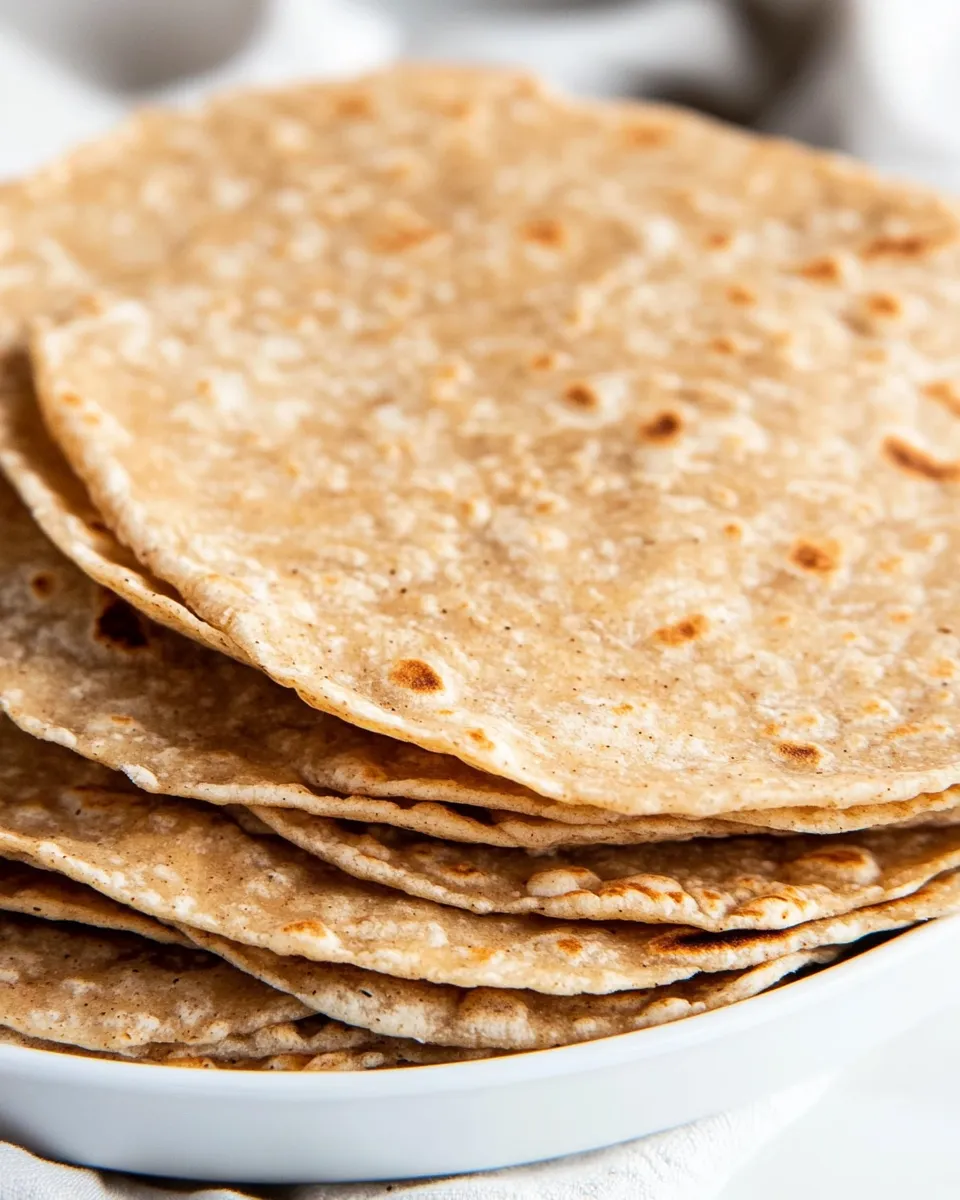
Chapati, a staple in Indian households, is more than just a flatbread; it’s a warm embrace that pairs perfectly with a myriad of dishes. With its origins deeply rooted in Indian culture, chapati is known for its simplicity and versatility. This unleavened bread is not only easy to prepare but also incredibly satisfying, making it a must-have in your kitchen repertoire. Whether you are enjoying it with a rich curry, a spicy dal, or even just a smear of butter, chapati brings comfort and nourishment to every meal.
Why This Recipe Belongs in Your Rotation
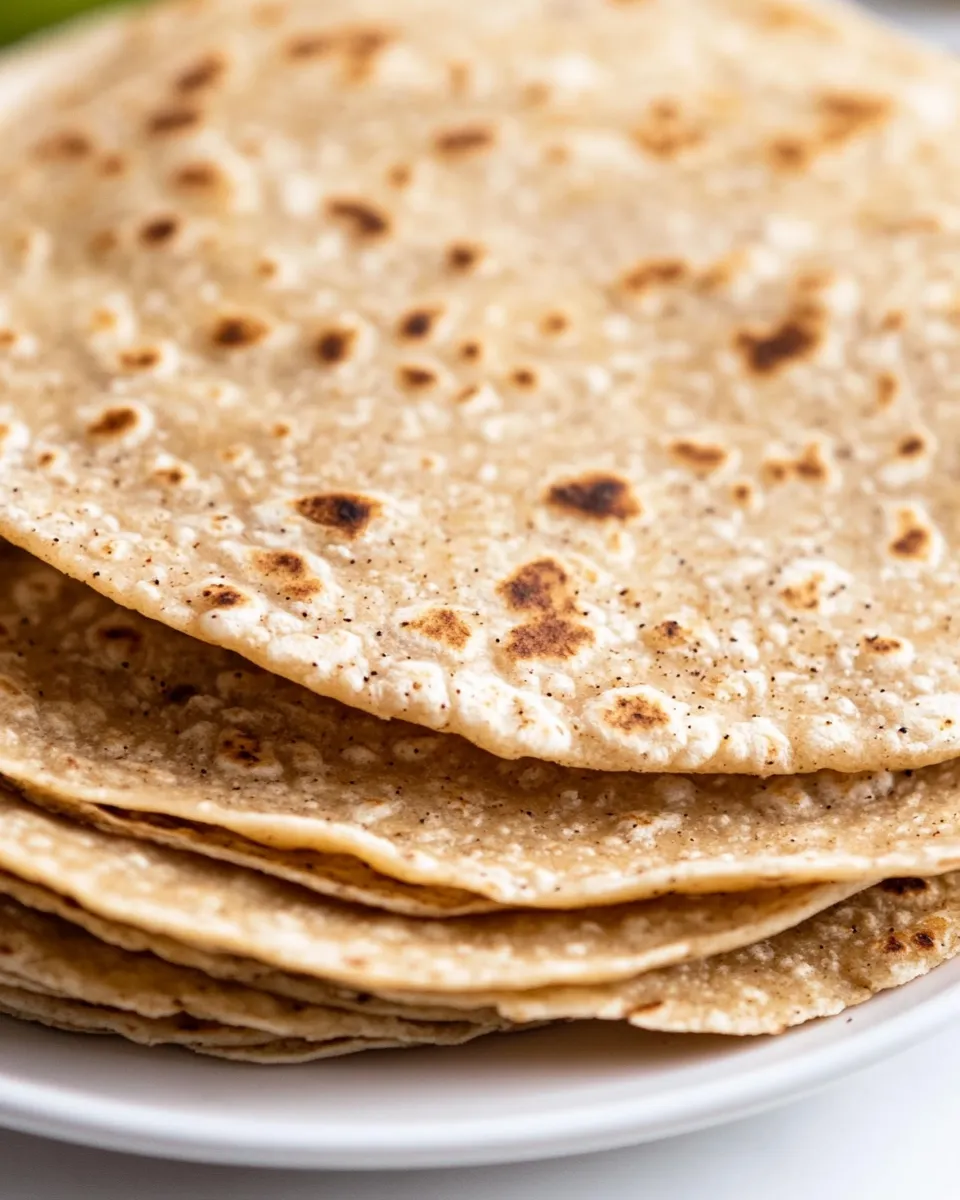
Chapati is a fantastic addition to any meal, serving as a vehicle for flavor and a source of wholesome goodness. Here are a few reasons why you should make chapati a regular feature in your kitchen:
- Quick and Simple: With just a handful of ingredients, chapati comes together in no time.
- Healthy Alternative: Made primarily from whole wheat flour, chapati is high in fiber and nutrients.
- Versatile: Chapati can accompany a wide range of dishes, from savory to sweet.
- Family-Friendly: Kids and adults alike enjoy the soft, warm texture, making it a hit at the dinner table.
The Ingredient Lineup
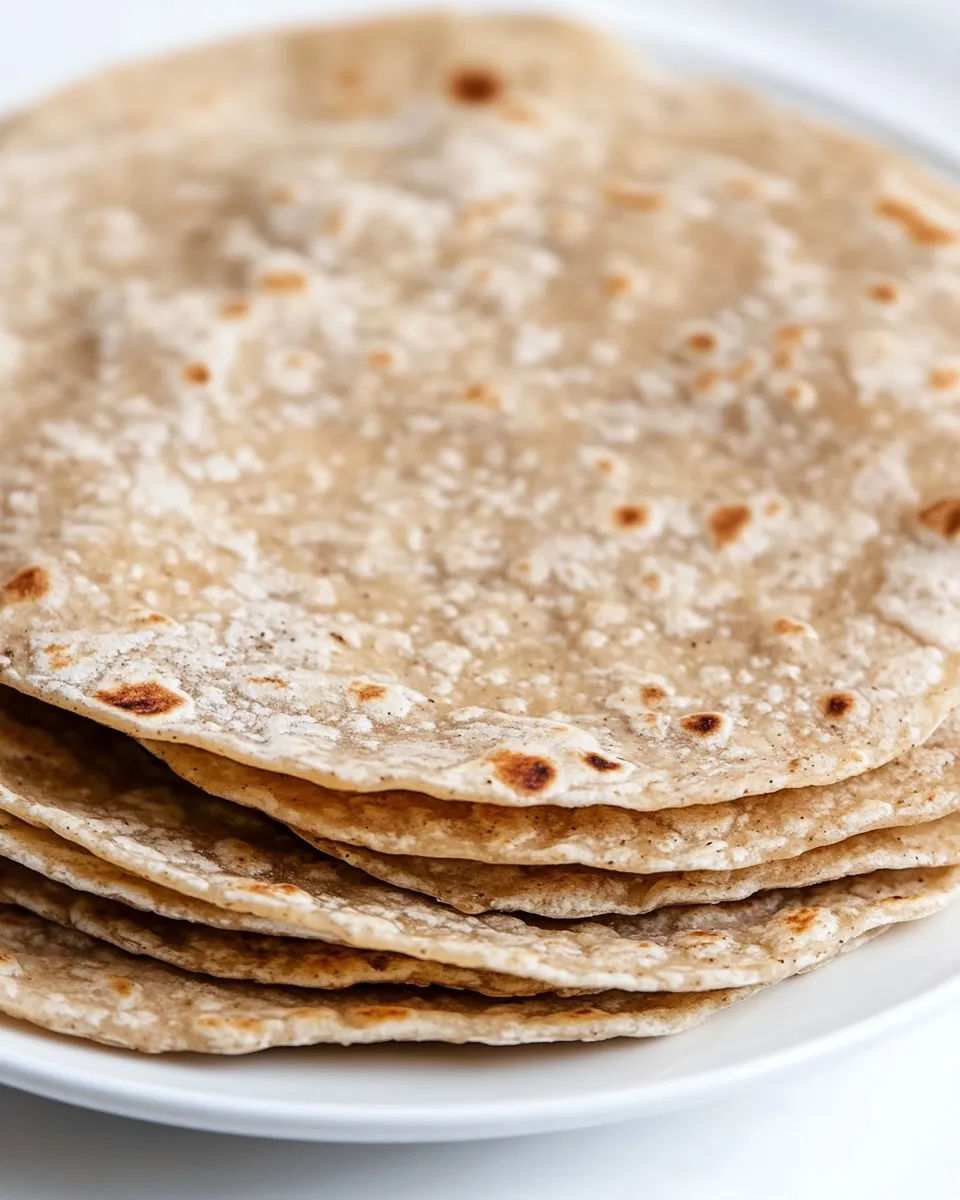
To create the perfect chapati, gather the following ingredients:
- 2 cups whole wheat flour (or drum-wheat Atta) – This is the foundation of your chapati, providing a nutty flavor and chewy texture.
- 1 teaspoon salt – Enhances the flavor of the dough.
- 1 cup water – Needed to hydrate the flour and form a pliable dough.
- 2 tablespoons wheat flour (for rolling and dusting) – This will help prevent sticking while rolling out the dough.
Must-Have Equipment
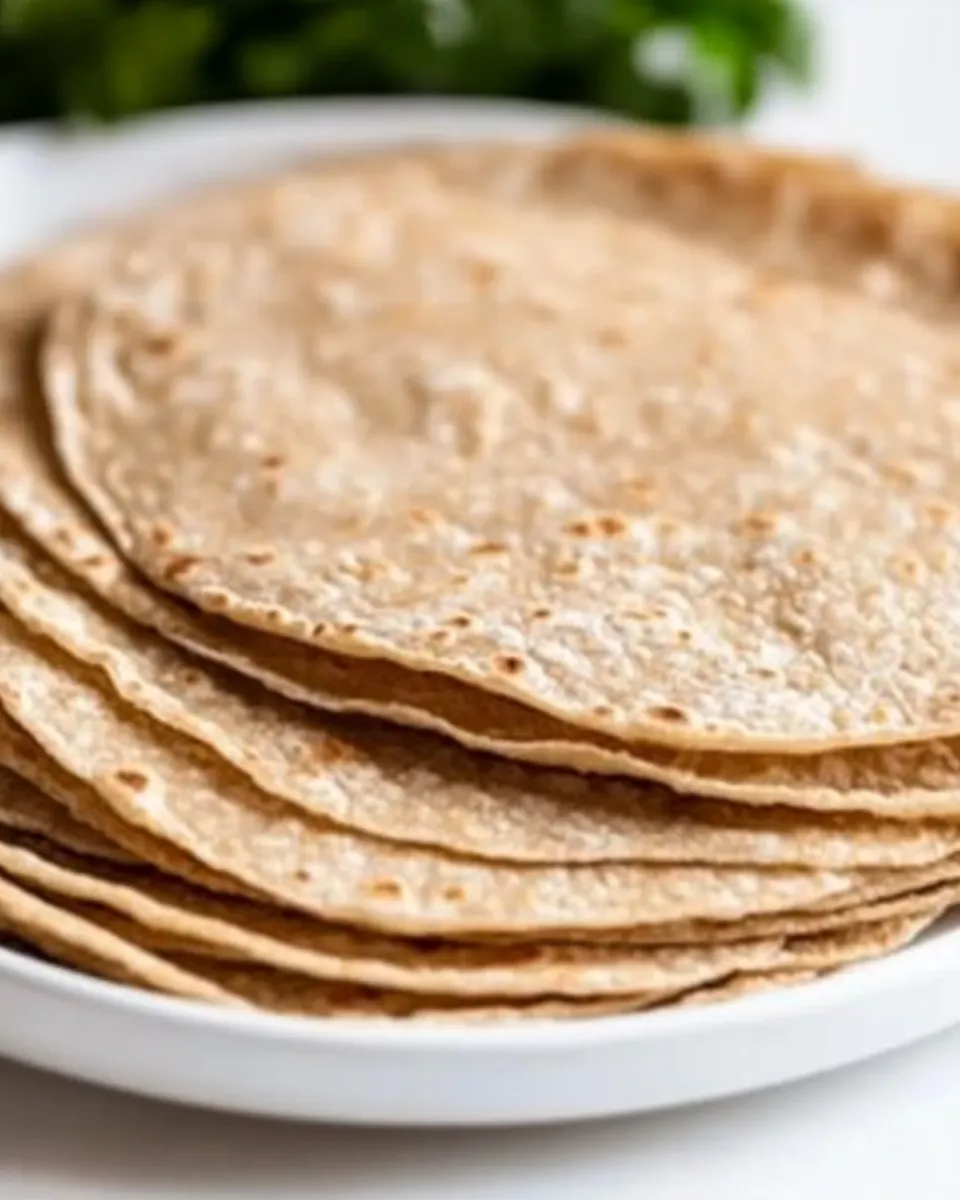
To make chapati, you’ll need a few essential tools:
- Mixing Bowl: For combining the flour, salt, and water.
- Rolling Pin: To roll out the dough into thin, flat rounds.
- Flat Pan or Tawa: A skillet or flat pan is ideal for cooking the chapati.
- Spatula: For flipping the chapati as it cooks.
Chapati (Indian Flat Bread): How It’s Done
Making chapati is a straightforward process. Just follow these steps:
1. Combine Dry Ingredients
In a large mixing bowl, combine the whole wheat flour and salt. Mix thoroughly to ensure the salt is evenly distributed.
2. Add Water
Gradually add the water to the flour mixture. Start with half a cup and mix with your hands or a wooden spoon. Continue adding water until the dough starts to come together.
3. Knead the Dough
Transfer the dough onto a clean surface and knead it for about 8-10 minutes until it becomes smooth and elastic. If the dough is sticky, sprinkle a little more flour as needed.
4. Rest the Dough
Cover the kneaded dough with a damp cloth or plastic wrap and let it rest for at least 30 minutes. This rest period helps the gluten relax, making it easier to roll out.
5. Divide the Dough
After resting, divide the dough into equal-sized balls, roughly the size of a golf ball. This will make it easier to roll each chapati.
6. Roll Out the Chapati
Lightly dust your work surface and rolling pin with wheat flour. Take one dough ball and flatten it slightly. Roll it out into a thin circle, about 6-8 inches in diameter, ensuring even thickness.
7. Cook the Chapati
Heat a flat pan or tawa over medium-high heat. Once hot, place the rolled chapati on the pan. Cook for about 30 seconds or until you see bubbles forming on the surface.
8. Flip and Puff
Using a spatula, flip the chapati to the other side. Cook for another 30 seconds. For that signature puff, you can gently press down with the spatula or place it directly over the flame for a few seconds.
9. Keep Warm
Remove the chapati from the pan and place it in a container lined with a clean kitchen towel to keep it warm. Repeat the process with the remaining dough balls.
Better Choices & Swaps
If you want to customize your chapati, consider these options:
- Flour Variations: Use a mix of whole wheat and spelt flour for a different flavor.
- Herbs and Spices: Add finely chopped herbs or spices to the dough for extra flavor.
- Oil or Ghee: Brush the chapati with a little oil or ghee after cooking for added richness.
Recipe Notes & Chef’s Commentary
Chapati can be enjoyed fresh, but they also hold up well if you need to prepare them in advance. Here are a few tips to keep in mind:
- Ensure your dough is well-kneaded for a soft chapati.
- Don’t skip the resting period; it is crucial for the texture.
- If you find your chapati is not puffing up, try adjusting the heat and ensure the dough is rolled evenly.
Store, Freeze & Reheat
If you have leftover chapati, here’s how to store and reheat them:
- Storage: Place cooled chapati in an airtight container at room temperature for up to 2 days.
- Freezing: Wrap chapati in plastic wrap and place them in a freezer-safe bag. They can be frozen for up to 3 months.
- Reheating: To reheat, warm them in a skillet for a minute on each side or microwave them wrapped in a damp paper towel for about 15-20 seconds.
Top Questions & Answers
Can I make chapati with all-purpose flour?
Yes, while traditional chapati is made with whole wheat flour, you can use all-purpose flour for a softer texture. However, the flavor and nutrition will differ.
Why is my chapati hard and not soft?
Hard chapati can result from overcooking, not enough water in the dough, or not kneading the dough well. Ensure you follow the recipe closely for the best results.
How can I make chapati gluten-free?
You can substitute whole wheat flour with a gluten-free flour blend. However, the texture and flavor may vary, so adjustments may be necessary.
Can I add ingredients to the dough?
Absolutely! You can incorporate spices, herbs, or even finely grated vegetables to the dough for added flavor and texture.
Wrap-Up
Chapati (Indian Flat Bread) is a delightful addition to any meal, offering a perfect blend of simplicity and flavor. It is a versatile bread that pairs wonderfully with a variety of dishes, from rich curries to fresh salads. Once you master the art of making chapati, you will find it becoming a staple in your kitchen, bringing warmth and comfort to your dining table. Enjoy experimenting with different flavors and serving it alongside your favorite dishes. Happy cooking!
Chapati (Indian Flat Bread)
Ingredients
For the Chapati:
- 2 cups whole wheat flour (or drum-wheat Atta)
- 1 teaspoon salt
- 1 cup water
- 2 tablespoons wheat flour (for rolling and dusting)
Instructions
Instructions
- 1. In a large mixing bowl, combine the whole wheat flour and salt. Mix thoroughly to ensure the salt is evenly distributed.
- 2. Gradually add the water to the flour mixture. Start with half a cup and mix with your hands or a wooden spoon. Continue adding water until the dough starts to come together.
- 3. Transfer the dough onto a clean surface and knead it for about 8-10 minutes until it becomes smooth and elastic. If the dough is sticky, sprinkle a little more flour as needed.
- 4. Cover the kneaded dough with a damp cloth or plastic wrap and let it rest for at least 30 minutes.
- 5. After resting, divide the dough into equal-sized balls, roughly the size of a golf ball.
- 6. Lightly dust your work surface and rolling pin with wheat flour. Take one dough ball and flatten it slightly. Roll it out into a thin circle, about 6-8 inches in diameter.
- 7. Heat a flat pan or tawa over medium-high heat. Once hot, place the rolled chapati on the pan. Cook for about 30 seconds or until you see bubbles forming on the surface.
- 8. Using a spatula, flip the chapati to the other side. Cook for another 30 seconds. For that signature puff, you can gently press down with the spatula or place it directly over the flame for a few seconds.
- 9. Remove the chapati from the pan and place it in a container lined with a clean kitchen towel to keep it warm. Repeat the process with the remaining dough balls.
Equipment
- Mixing Bowl
- Rolling Pin
- Flat Pan or Tawa
- Spatula
Notes
- Ensure your dough is well-kneaded for a soft chapati.
- Don’t skip the resting period; it is crucial for the texture.
- If your chapati is not puffing up, try adjusting the heat and ensure the dough is rolled evenly.