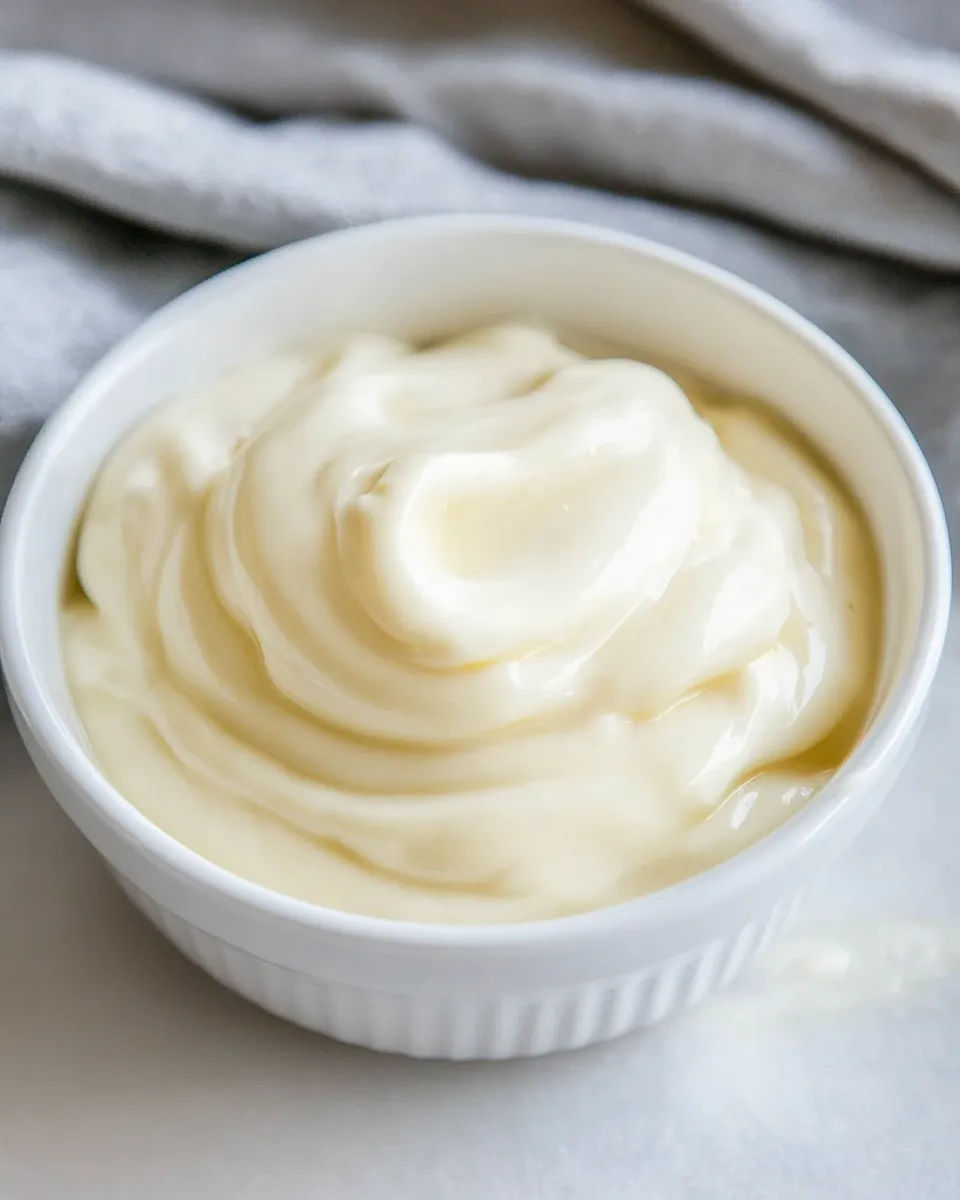
Making your own mayonnaise at home is not only satisfying, but it also elevates your dishes to a whole new level of flavor. This creamy condiment is a staple in many kitchens, and once you learn how to make mayonnaise, you’ll wonder why you ever bought it from the store. With just a few simple ingredients, you can whip up a batch that is fresher, tastier, and customizable to your taste. Let’s dive in!
Why This Recipe Belongs in Your Rotation
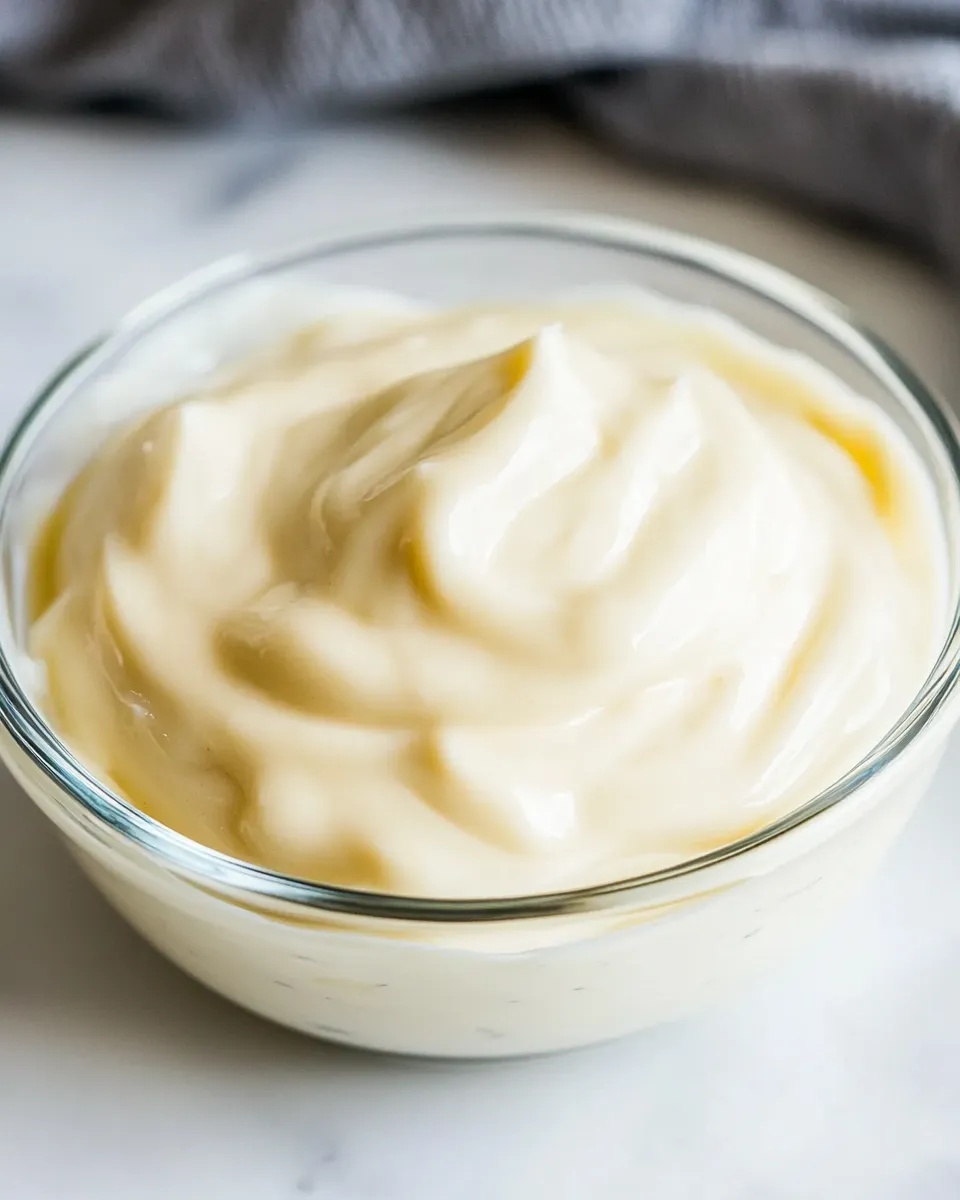
Homemade mayonnaise is a game-changer. Unlike store-bought options, which often contain preservatives and artificial flavors, making your own allows you to control the quality and taste of your ingredients. You can experiment with flavors, adjust the tanginess, and create a mayo that perfectly complements your meals. Whether you’re slathering it on sandwiches, using it as a base for dressings, or adding it to salads, homemade mayonnaise is a versatile addition to your culinary repertoire.
Shopping List
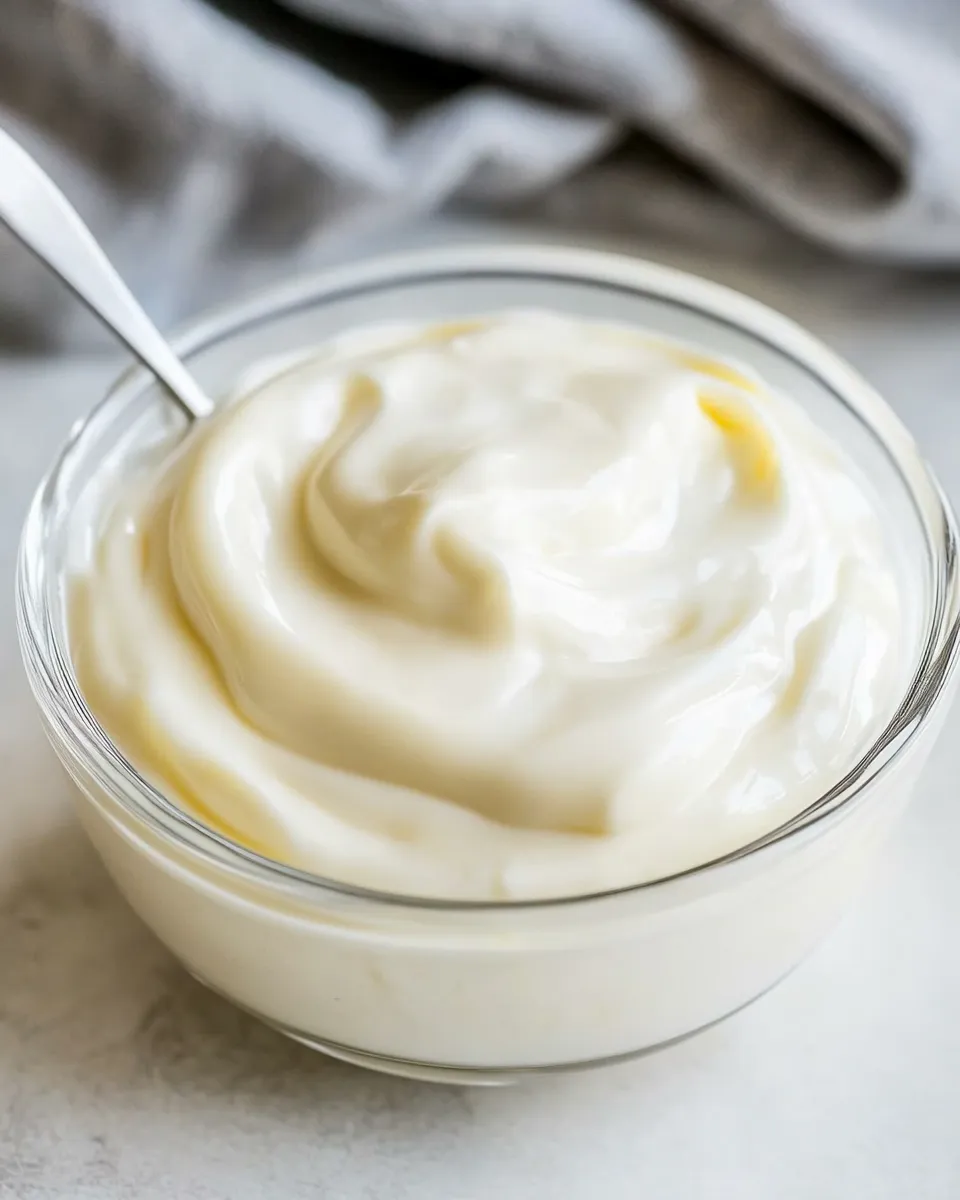
- 1 egg: Fresh and at room temperature for optimal emulsification.
- 1 tablespoon distilled white vinegar: Adds acidity and helps in emulsifying.
- 1 tablespoon lemon juice: Freshly squeezed for the best flavor.
- 1 teaspoon Dijon mustard: Enhances flavor and aids in emulsification.
- 1 teaspoon salt: Plus more to taste, for seasoning.
- 1 1/2 cups vegetable oil: A neutral oil works best, but you can experiment with others.
Gear Up: What to Grab
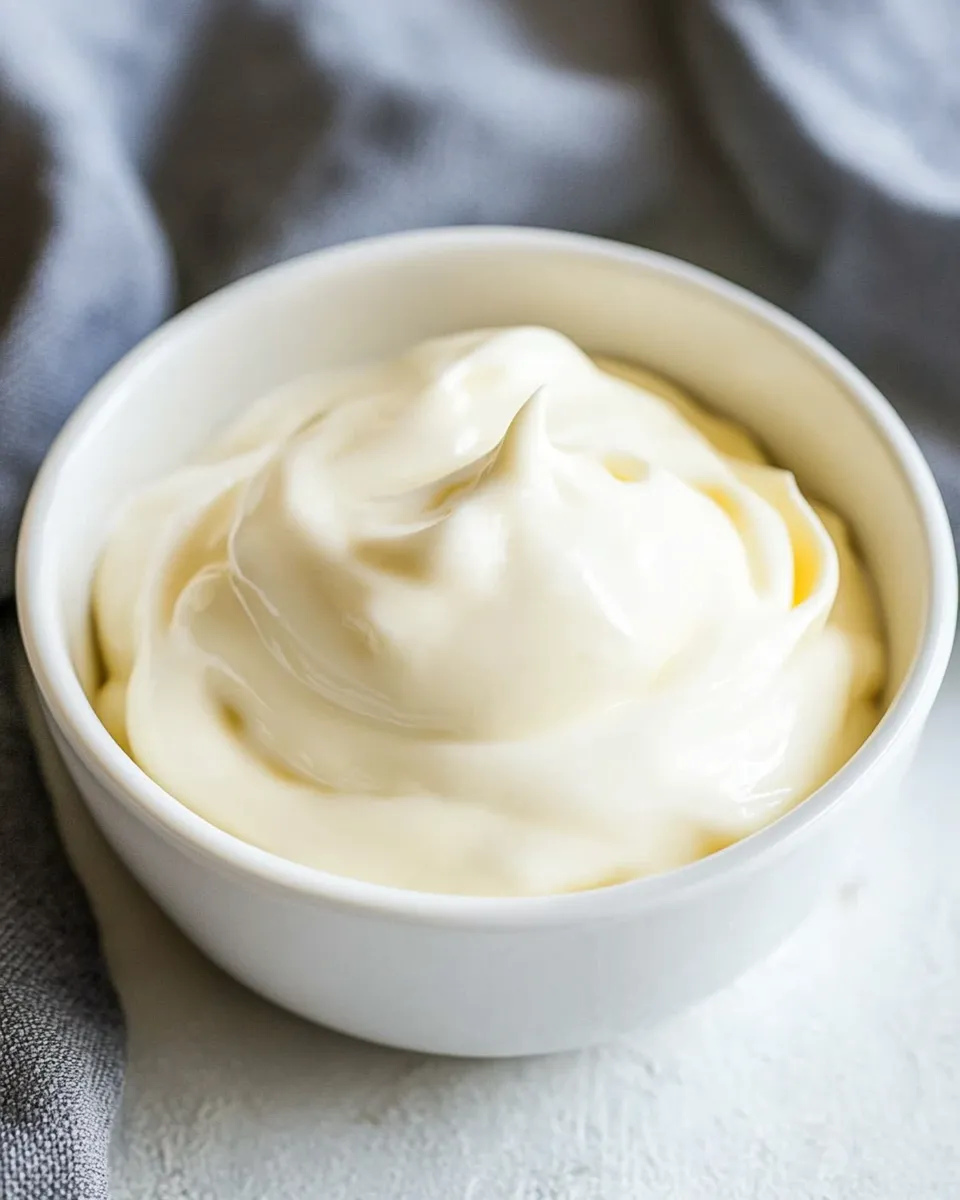
- Immersion blender: This is the easiest tool for making mayonnaise quickly.
- Measuring spoons: For precise measurements of your ingredients.
- Measuring cup: To measure the oil accurately.
- Glass jar or bowl: For mixing and storing your mayonnaise.
- Whisk (optional): If you prefer to make mayonnaise by hand, a whisk works well.
How to Make Mayonnaise, Made Easy
Step 1: Gather Your Ingredients
Start by collecting all your ingredients. Make sure your egg is at room temperature, as this helps in emulsifying the oil and creates a smoother mayonnaise.
Step 2: Combine Ingredients in the Jar
In a tall, narrow container (or a jar if using an immersion blender), add the egg, distilled white vinegar, lemon juice, Dijon mustard, and salt.
Step 3: Blend the Base
Using your immersion blender, blend the ingredients together for about 10 seconds until fully combined.
Step 4: Add the Oil Slowly
With the blender running, slowly drizzle the vegetable oil into the mixture. It’s essential to do this gradually to allow the emulsion to form. You’ll notice the mixture thickening as you add the oil.
Step 5: Adjust Seasoning
Once all the oil is incorporated and the mayonnaise is thick, taste and adjust the seasoning. Add more salt or a splash more lemon juice, if desired, to balance the flavors.
Step 6: Transfer and Store
Pour your homemade mayonnaise into a clean jar with a lid. It can be stored in the refrigerator for up to a week.
Seasonal Adaptations
- Herbed Mayonnaise: Add fresh herbs like dill, basil, or parsley for a fresh, herbal twist.
- Spicy Mayonnaise: Mix in some sriracha or chipotle powder for a kick.
- Garlic Aioli: Blend in roasted garlic for a creamy and flavorful aioli.
- Smoky Mayonnaise: Add smoked paprika for a smoky flavor profile.
Behind-the-Scenes Notes
- The key to a successful mayonnaise is the emulsion. If the oil is added too quickly, it may not emulsify properly.
- Using fresh eggs is crucial; they provide the best flavor and texture.
- If your mayonnaise separates, you can fix it by starting with a new egg in a clean bowl and slowly whisking in the broken mayo.
Make-Ahead & Storage
Your homemade mayonnaise can be made ahead of time and stored in the refrigerator. It’s best used within a week for optimal freshness. Always keep it in an airtight container to maintain its flavor and prevent contamination.
Top Questions & Answers
Can I use olive oil instead of vegetable oil?
Yes, but olive oil has a stronger flavor that can impact the taste of your mayonnaise. If you prefer the taste of olive oil, opt for a light or mild variety to keep the flavor balanced.
What if my mayonnaise is too thin?
If your mayonnaise turns out too thin, try adding an extra egg yolk and blend it again. This will help thicken it up. Alternatively, you can slowly drizzle in more oil while blending until you reach the desired consistency.
Can I make this mayonnaise vegan?
Yes! To make a vegan version, substitute the egg with aquafaba (the liquid from canned chickpeas) and follow the same method to create your mayonnaise.
Is it safe to eat raw eggs in homemade mayonnaise?
While there is some risk associated with eating raw eggs, using fresh, pasteurized eggs can minimize that risk. If you’re concerned, you can use pasteurized eggs or the aquafaba alternative.
Wrap-Up
Now that you know how to make mayonnaise, you can enjoy the creamy goodness that comes from your own kitchen. This simple yet transformative condiment can enhance your meals, dressings, and dips in countless ways. Remember to experiment with flavors and ingredients to make it your own. Homemade mayonnaise is a true culinary delight that adds a personal touch to any dish. So grab your ingredients, gather your tools, and get ready to whip up a batch of fresh, delicious mayonnaise that will impress your family and friends!

How to Make Mayonnaise
Ingredients
- 1 egg Fresh egg at room temperature
- 1 tablespoon Distilled white vinegar
- 1 tablespoon Lemon juice freshly squeezed
- 1 teaspoon Dijon mustard
- 1 teaspoon Salt plus more to taste
- 1.5 cups Vegetable oil neutral oil works best
Instructions
- Start by collecting all your ingredients. Make sure your egg is at room temperature, as this helps in emulsifying the oil and creates a smoother mayonnaise.
- In a tall, narrow container (or a jar if using an immersion blender), add the egg, distilled white vinegar, lemon juice, Dijon mustard, and salt.
- Using your immersion blender, blend the ingredients together for about 10 seconds until fully combined.
- With the blender running, slowly drizzle the vegetable oil into the mixture. It’s essential to do this gradually to allow the emulsion to form. You’ll notice the mixture thickening as you add the oil.
- Once all the oil is incorporated and the mayonnaise is thick, taste and adjust the seasoning. Add more salt or a splash more lemon juice, if desired, to balance the flavors.
- Pour your homemade mayonnaise into a clean jar with a lid. It can be stored in the refrigerator for up to a week.
Equipment
- Immersion blender
- Measuring spoons
- Measuring Cup
- Glass jar or bowl
- Whisk (optional)
Notes
- The key to a successful mayonnaise is the emulsion. If the oil is added too quickly, it may not emulsify properly.
- Using fresh eggs is crucial; they provide the best flavor and texture.
- If your mayonnaise separates, you can fix it by starting with a new egg in a clean bowl and slowly whisking in the broken mayo.